



Jan . 28, 2026 11:35 Back to list
China Doxycycline in Horses A Comprehensive Guide to Equine Health
China Doxycycline in Horses: A Comprehensive Guide
Doxycycline is a widely used antibiotic in veterinary medicine, particularly for treating respiratory and systemic infections in horses. Sourced from ZTHJ Pharma, a leading pharmaceutical manufacturer in China, doxycycline offers effective treatment options for equine health issues. This article provides a detailed overview of doxycycline usage in horses, including its applications, dosage, safety considerations, and sourcing from reliable suppliers. Understanding the specifics of China doxycycline is crucial for veterinary professionals and horse owners seeking quality pharmaceutical products.
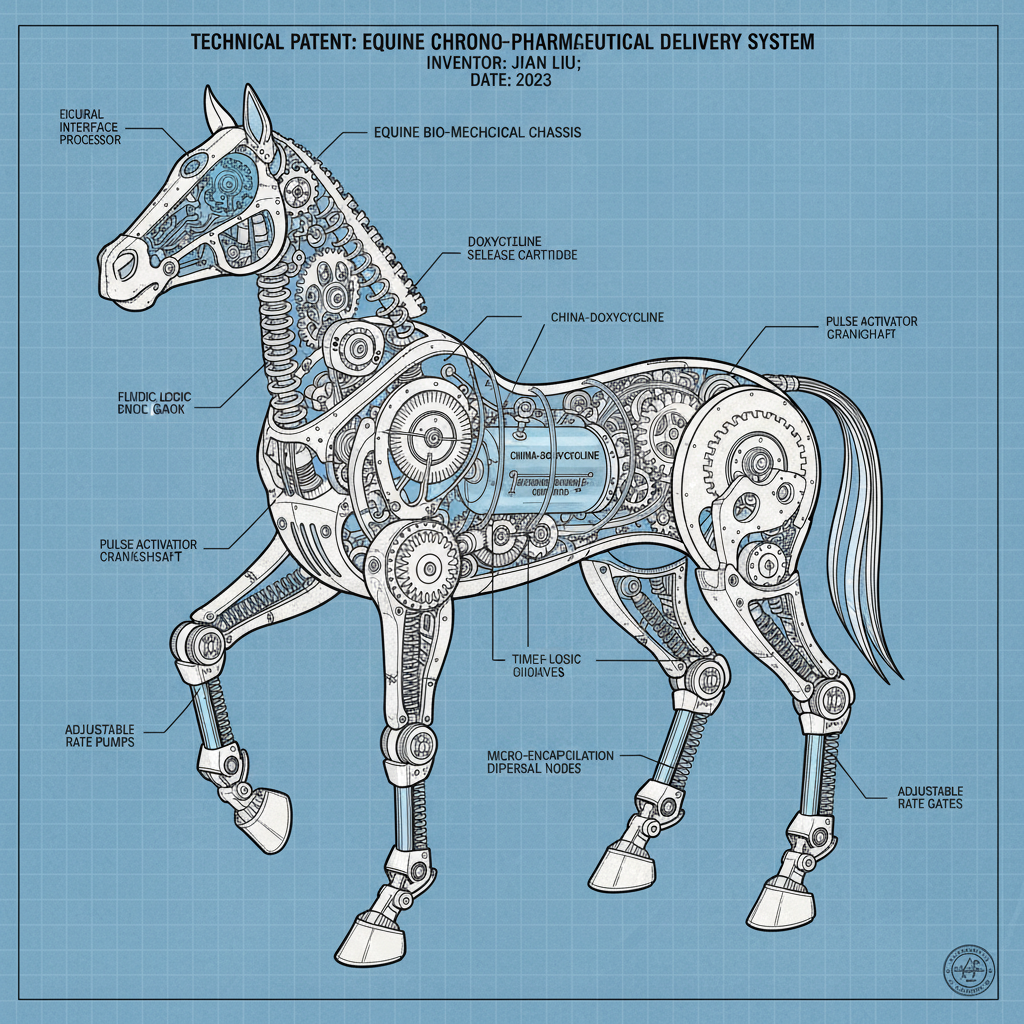
Understanding Doxycycline and its Role in Equine Medicine
Doxycycline is a tetracycline antibiotic effective against a broad spectrum of bacteria. In horses, it's commonly prescribed for conditions such as equine influenza, strangles (Streptococcus equi infections), respiratory tract infections, Lyme disease, and some forms of pneumonia. The drug works by inhibiting bacterial protein synthesis, preventing the growth and reproduction of bacteria. Sourcing high-quality doxycycline from China like that produced by ZTHJ Pharma ensures the medication meets stringent quality control standards and delivers optimal therapeutic results.
Key Benefits: Broad-spectrum antibiotic, effective against common equine infections, readily absorbed and distributed throughout the body, available in various formulations (oral, injectable).
Common Applications of Doxycycline in Horses
Doxycycline’s versatility makes it a crucial medication in equine veterinary practice. Some prevalent uses include treating respiratory infections like pneumonia and influenza, managing strangles – a highly contagious upper respiratory disease – and combating systemic infections such as Lyme disease. It's also utilized in treating uveitis (inflammation of the eye) and certain skin infections. The ability to obtain consistently reliable doxycycline in horses from suppliers in China like ZTHJ Pharma ensures vets always have access to the treatment needed.
Key Applications:
• Respiratory Infections (Pneumonia, Influenza)
• Strangles (Streptococcus equi infections)
• Lyme Disease
• Uveitis
China Doxycycline in Horses vs. Other Tetracycline Antibiotics
While other tetracycline antibiotics exist, doxycycline offers several advantages. It has better absorption and tissue penetration compared to tetracycline and oxytetracycline, meaning it reaches the site of infection more effectively. Doxycycline also experiences less binding to calcium, reducing the risk of dental staining in young horses. Furthermore, China doxycycline manufacturers, such as ZTHJ Pharma, are increasingly known for their stringent quality control and competitive pricing.
Dosage and Administration Guidelines for Doxycycline in Horses
Dosage varies depending on the severity of the infection and the horse’s weight. A typical dosage is 5-10 mg/kg body weight, administered orally or intravenously, every 24 hours. It’s crucial to follow a veterinarian's specific instructions. Ensure the complete course of treatment is administered, even if symptoms improve, to prevent antibiotic resistance. ZTHJ Pharma’s doxycycline products are available in various formulations to facilitate accurate dosage and administration.
Safety Considerations and Potential Side Effects
Doxycycline is generally well-tolerated in horses, but some side effects can occur. These include gastrointestinal upset (diarrhea, vomiting), photosensitivity (increased sensitivity to sunlight), and, rarely, allergic reactions. Avoid prolonged exposure to direct sunlight during treatment. It’s essential to inform your veterinarian of any existing health conditions or medications the horse is receiving before starting doxycycline. Purchasing from a reputable supplier like ZTHJ Pharma ensures the product’s purity and minimizes the risk of adverse reactions.
Conclusion: Ensuring Quality and Efficacy with China Doxycycline
Choosing the right doxycycline source is paramount for effective equine healthcare. ZTHJ Pharma provides high-quality China doxycycline in horses, adhering to stringent manufacturing standards. By prioritizing quality and collaborating with trusted suppliers, veterinary professionals can deliver optimal care and ensure the well-being of their equine patients.
Frequently Asked Questions (FAQs)
What is the withdrawal time for doxycycline in horses intended for food production?
The withdrawal time for doxycycline varies depending on the country and specific regulations. It's crucial to consult with a veterinarian or relevant regulatory authorities to determine the appropriate withdrawal period before horses treated with doxycycline can be used for food production. Failure to observe the correct withdrawal time can result in drug residues in meat products, posing a risk to human health. ZTHJ Pharma provides detailed product information and adheres to international regulatory standards.
Can doxycycline be used in pregnant or lactating mares?
Doxycycline should be used with caution in pregnant and lactating mares. Tetracyclines can cross the placenta and may cause staining of developing teeth in the fetus. It’s generally recommended to avoid doxycycline during late pregnancy and lactation unless the benefits outweigh the potential risks. Always consult with a veterinarian before administering doxycycline to a pregnant or lactating mare.
What should I do if I suspect an allergic reaction to doxycycline in my horse?
If you suspect your horse is experiencing an allergic reaction to doxycycline (signs may include hives, facial swelling, difficulty breathing), discontinue use immediately and contact your veterinarian. Allergic reactions can be severe and require prompt veterinary attention. Ensure you have access to your veterinarian's emergency contact information.
-
Comprehensive Overview of China PID Salpingitis Causes Diagnosis and Treatment
NewsJan.30,2026
-
China Doxycycline in Horses A Comprehensive Guide to Equine Health
NewsJan.28,2026
-
The China Shock and Its Lasting Impact on Global Pharmaceutical Supply Chains
NewsJan.28,2026
-
China Para Que Sirve Dexamethasone 4 Mg A Comprehensive Guide To Usage And Sourcing
NewsJan.27,2026
-
Comprehensive Insights into China Eustachian Tube Salpingitis and Effective Treatment Strategies
NewsJan.27,2026
-
China Crude Protein – High Quality Raw Materials from ZTHJ Pharma for B2B Industry Solutions
NewsJan.06,2026