



Jan . 27, 2026 17:25 Back to list
Comprehensive Insights into China Eustachian Tube Salpingitis and Effective Treatment Strategies
Understanding China Eustachian Tube Salpingitis and Treatment Options
Eustachian tube salpingitis, a complex inflammatory condition, presents unique challenges in diagnosis and treatment. While not exclusive to China, effective management requires a deep understanding of both traditional and modern medical approaches. This article will explore the causes, symptoms, diagnostic methods, and treatment strategies for eustachian tube salpingitis, with a focus on advancements and expertise available in China. ZTHJ Pharma is committed to providing innovative solutions and quality pharmaceutical products for this and other ENT conditions. Early diagnosis and appropriate treatment are crucial to prevent complications and improve patient outcomes.
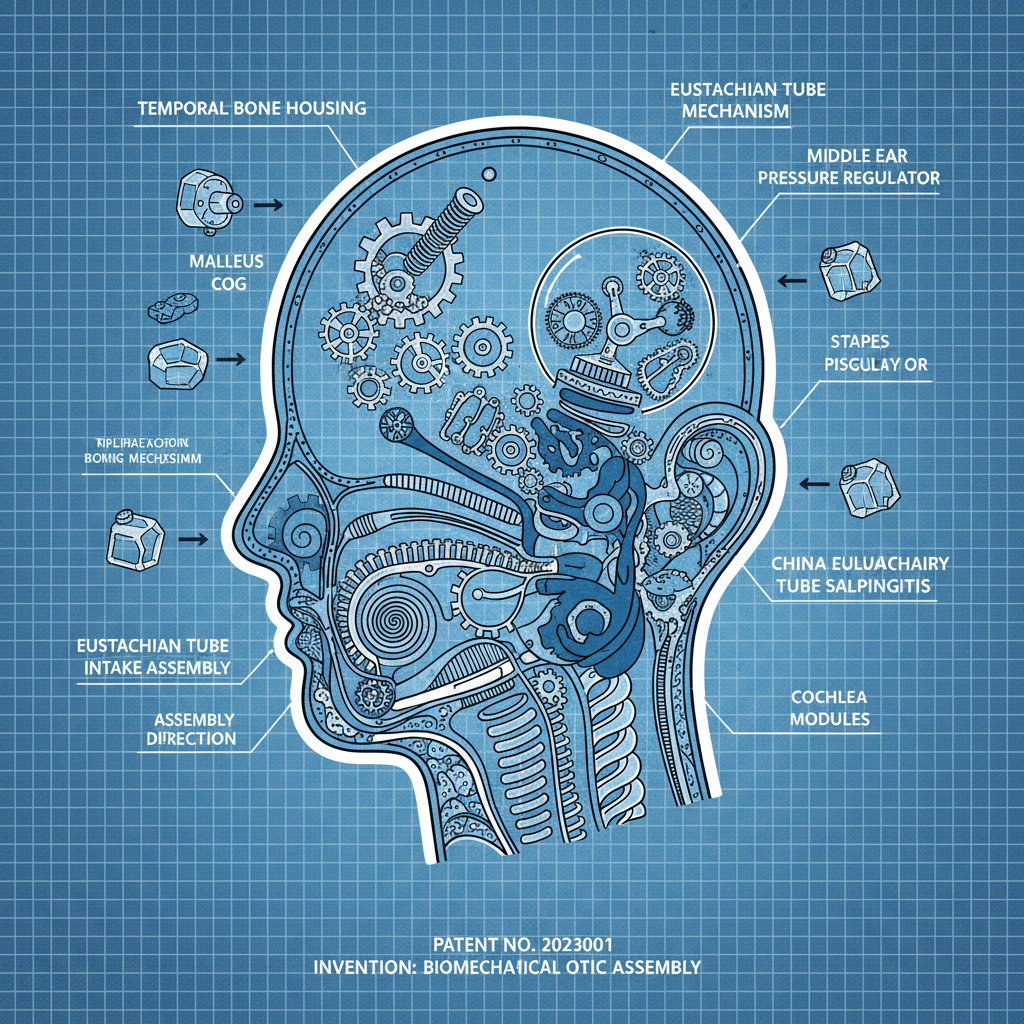
What Causes Eustachian Tube Salpingitis?
Eustachian tube salpingitis involves inflammation of both the eustachian tube and the salpinx (fallopian tube), usually stemming from ascending infections. Common causative agents include bacterial infections (like Streptococcus and Haemophilus influenzae), viral infections, and sometimes fungal infections. In China, factors such as air pollution, environmental allergens, and variations in healthcare access can contribute to the prevalence of these infections. A compromised immune system, allergic reactions, and pre-existing conditions like chronic sinusitis or rhinitis can also increase susceptibility. The intricate anatomical connection between the upper respiratory tract and the middle ear/salpinx creates a pathway for pathogens to ascend and cause inflammation.
Key Contributing Factors: Infections, Allergies, Air Pollution, Immunocompromised State
Recognizing the Symptoms of Eustachian Tube Salpingitis
Symptoms can vary in severity, making accurate diagnosis crucial. Common indicators include ear pain (otalgia), a feeling of fullness or pressure in the ear, hearing loss, vaginal discharge, lower abdominal pain, and fever. In some cases, patients may experience dizziness, tinnitus (ringing in the ears), or even facial nerve paralysis. The specific symptoms often depend on the extent of the inflammation and whether the infection has spread to adjacent structures. Chinese medicine often emphasizes a holistic assessment, considering the patient's overall health and energetic imbalances in addition to specific symptoms. Early identification of these signs is critical for timely intervention.
Common Symptoms:
• Ear Pain & Pressure
• Hearing Loss
• Vaginal Discharge & Abdominal Pain
• Fever & Dizziness
China’s Approach to Diagnosing Eustachian Tube Salpingitis
Diagnosis typically involves a comprehensive ENT examination, including otoscopy (examination of the ear canal), audiometry (hearing test), and potentially tympanometry (assessment of middle ear function). Imaging studies, such as CT scans or MRI, may be used to evaluate the extent of the inflammation and rule out other conditions. In China, integrating traditional Chinese medicine (TCM) diagnosis is common. This includes pulse diagnosis and tongue examination to assess the patient’s overall energetic balance and identify underlying patterns of disharmony. Laboratory tests, such as blood cultures and inflammatory markers, can help identify the causative agent and monitor the body’s immune response. ZTHJ Pharma supports advanced diagnostic capabilities for accurate and effective patient care.
Treatment Strategies: Combining Western and Traditional Chinese Medicine
Treatment for eustachian tube salpingitis typically involves antibiotics to combat bacterial infections. Anti-inflammatory medications can help reduce swelling and pain. In some cases, decongestants may be used to open the eustachian tube and improve drainage. In China, a combined approach integrating Western medicine with TCM is often employed. TCM therapies, such as herbal remedies and acupuncture, may be used to enhance immune function, reduce inflammation, and promote healing. For example, herbal formulas targeting damp-heat or liver qi stagnation may be prescribed based on the patient's TCM diagnosis. Surgical intervention, such as tympanostomy tube placement, may be considered in cases of chronic or recurrent infections.
Preventative Measures and Long-Term Management
Preventative measures include practicing good hygiene, avoiding exposure to irritants, and managing allergies effectively. Strengthening the immune system through a healthy diet and lifestyle is also important. Regular follow-up appointments with an ENT specialist are essential to monitor for recurrence and adjust treatment as needed. In China, promoting awareness of environmental factors and encouraging early medical intervention are key components of public health strategies for managing eustachian tube salpingitis. ZTHJ Pharma is dedicated to supporting these efforts through research, development, and quality pharmaceutical products.
Conclusion: A Holistic Approach to Eustachian Tube Salpingitis
Managing eustachian tube salpingitis effectively requires a comprehensive and individualized approach. Combining the strengths of Western medical interventions with the holistic principles of Traditional Chinese Medicine offers patients in China – and globally – the best chance for lasting relief and improved quality of life. ZTHJ Pharma remains committed to advancing this integrated approach.
Frequently Asked Questions (FAQs)
What are the potential complications of untreated Eustachian Tube Salpingitis?
Untreated Eustachian tube salpingitis can lead to several complications, including chronic otitis media (middle ear infection), mastoiditis (infection of the mastoid bone), hearing loss, and, in severe cases, spread of the infection to other areas of the body. Chronic inflammation can also damage the delicate structures of the middle ear and salpinx, resulting in long-term functional impairments. Prompt diagnosis and appropriate treatment are crucial to prevent these complications and preserve auditory health. If left unaddressed, the inflammation can become more persistent and challenging to treat effectively.
How does air pollution in China contribute to the incidence of this condition?
Air pollution, prevalent in many areas of China, can exacerbate respiratory inflammation and compromise immune function, increasing susceptibility to infections like Eustachian tube salpingitis. Particulate matter and other pollutants can irritate the nasal passages and eustachian tube, creating a favorable environment for bacterial and viral colonization. Long-term exposure to air pollution can also weaken the body’s natural defenses, making it harder to fight off infections. Reducing air pollution levels and promoting respiratory health are essential public health measures.
What role does Traditional Chinese Medicine (TCM) play in the treatment?
TCM offers a complementary approach to treating Eustachian tube salpingitis, focusing on restoring balance to the body’s energy systems and strengthening the immune system. Herbal remedies are often tailored to the individual patient’s TCM diagnosis, addressing underlying patterns of disharmony. Acupuncture may be used to stimulate specific points to reduce inflammation, improve circulation, and promote healing. TCM can be particularly beneficial in managing chronic or recurrent cases, helping to prevent flare-ups and improve overall well-being.
Are there any lifestyle changes I can make to help prevent Eustachian Tube Salpingitis?
Several lifestyle changes can help reduce your risk of developing Eustachian tube salpingitis. These include practicing good hygiene (frequent handwashing), avoiding exposure to cigarette smoke and other irritants, managing allergies effectively, and strengthening your immune system through a healthy diet and regular exercise. Staying hydrated and avoiding excessive alcohol consumption can also contribute to overall respiratory health. Promptly addressing upper respiratory infections and seeking medical attention when symptoms develop are crucial preventative measures.
-
Comprehensive Overview of China PID Salpingitis Causes Diagnosis and Treatment
NewsJan.30,2026
-
China Doxycycline in Horses A Comprehensive Guide to Equine Health
NewsJan.28,2026
-
The China Shock and Its Lasting Impact on Global Pharmaceutical Supply Chains
NewsJan.28,2026
-
China Para Que Sirve Dexamethasone 4 Mg A Comprehensive Guide To Usage And Sourcing
NewsJan.27,2026
-
Comprehensive Insights into China Eustachian Tube Salpingitis and Effective Treatment Strategies
NewsJan.27,2026
-
China Crude Protein – High Quality Raw Materials from ZTHJ Pharma for B2B Industry Solutions
NewsJan.06,2026